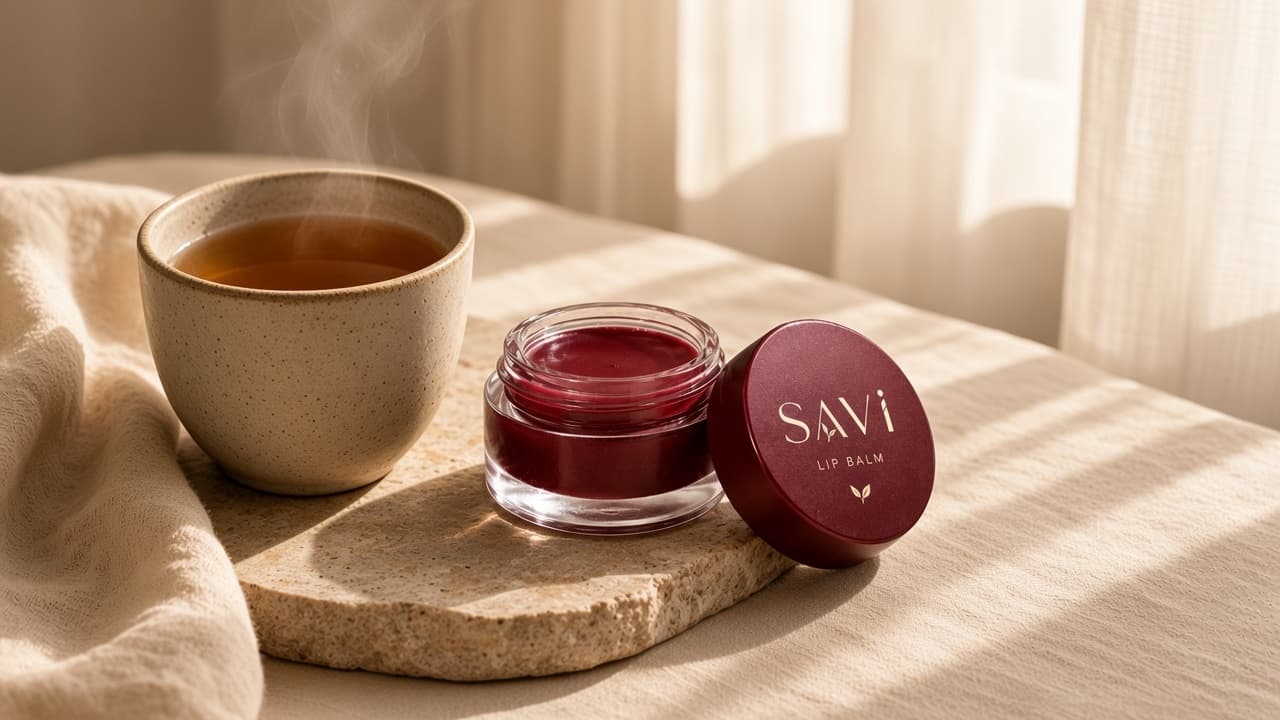
 RootIn our lip balm
Manjistha
मञ्जिष्ठाMañjiṣṭhāRubia cordifolia
A climbing madder whose red roots have coloured Ayurvedic beauty preparations for centuries.
Now launching — 10% off Manjistha & Ratanjoth Lip Balm shop the ritual


आयुर्वेद
Āyurveda · The knowledge of life
Philosophy
Ayurveda — from the Sanskrit ayus, life, and veda, knowledge — is one of the world's oldest traditions of wellbeing, developed in India over thousands of years.
At its heart is a simple idea: that good health is a state of balance, between body and mind, and between ourselves and the world around us — the food we eat, the seasons, the rhythm of the day.
Rather than a set of cures, it offers a way of living: small, steady habits repeated daily.
The three doshas
Ayurveda describes three energies, or doshas, present in all of us in different proportions. Understanding yours is a starting point — not a label.
प्रकृतिPrakṛti, meaning your own natureAir & space
Movement, creativity and change.
Fire & water
Digestion, focus and drive.
Earth & water
Structure, steadiness and calm.
Everyday routines
Dinacharya, the daily routine, is where Ayurveda becomes practical.
दिनचर्याDinacharyā, meaning the daily ritualMorningप्रातःPrātaḥ
Rise early, drink warm water, move gently. Ayurveda calls this time of day light and clear.
Middayमध्याह्नMadhyāhna
Make lunch the main meal, when digestion — agni — is traditionally considered strongest.
EveningसायंSāyaṃ
A lighter dinner, dimmer lights, warm oil on the feet. Prepare the body for rest.
The ingredients of Ayurveda
Roots, leaves, fruits, spices, flowers and oils — the classical ingredients of Ayurveda, many of them already in the Indian kitchen.
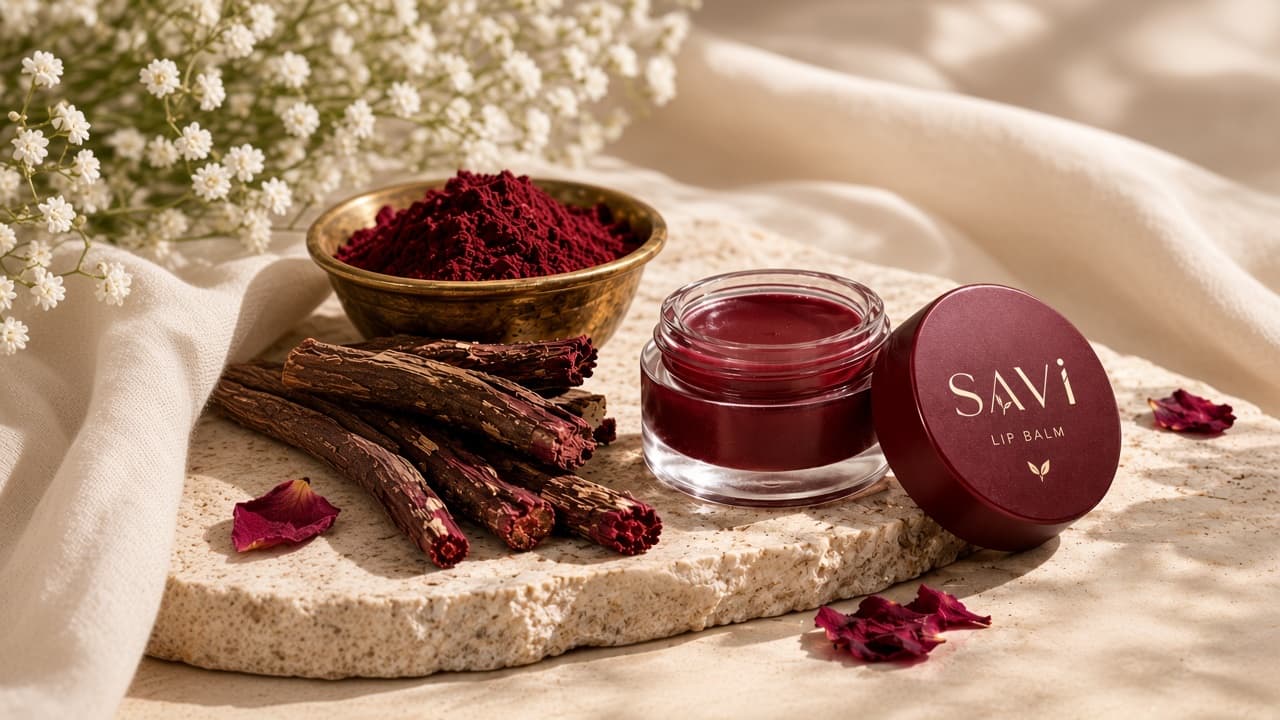
Each is listed with its Sanskrit name, the part of the plant used and the way it has traditionally been used. Two of them are in our lip balm.
RootIn our lip balmमञ्जिष्ठाMañjiṣṭhāRubia cordifolia
A climbing madder whose red roots have coloured Ayurvedic beauty preparations for centuries.
 RootIn our lip balm
रत्नज्योतिRatnajyotiAlkanna tinctoria
Alkanet root, infused into oils and ghee for its deep burgundy colour.
 Root
Rootअश्वगन्धाAśvagandhāWithania somnifera
Named for the earthy scent of its root. Classed as a rasāyana and traditionally stirred into warm milk.
 Leaf
LeafतुलसीTulasīOcimum tenuiflorum
Grown in the courtyard of countless Indian homes and steeped as a fragrant daily tea.
 Leaf
Leafब्राह्मीBrāhmīBacopa monnieri
A creeping wetland herb named after Brahmā, prized in classical texts and in hair oils.
 Rhizome
हरिद्राHaridrāCurcuma longa
The golden root of Indian kitchens, weddings and ubtan — perhaps Ayurveda's most familiar ingredient.
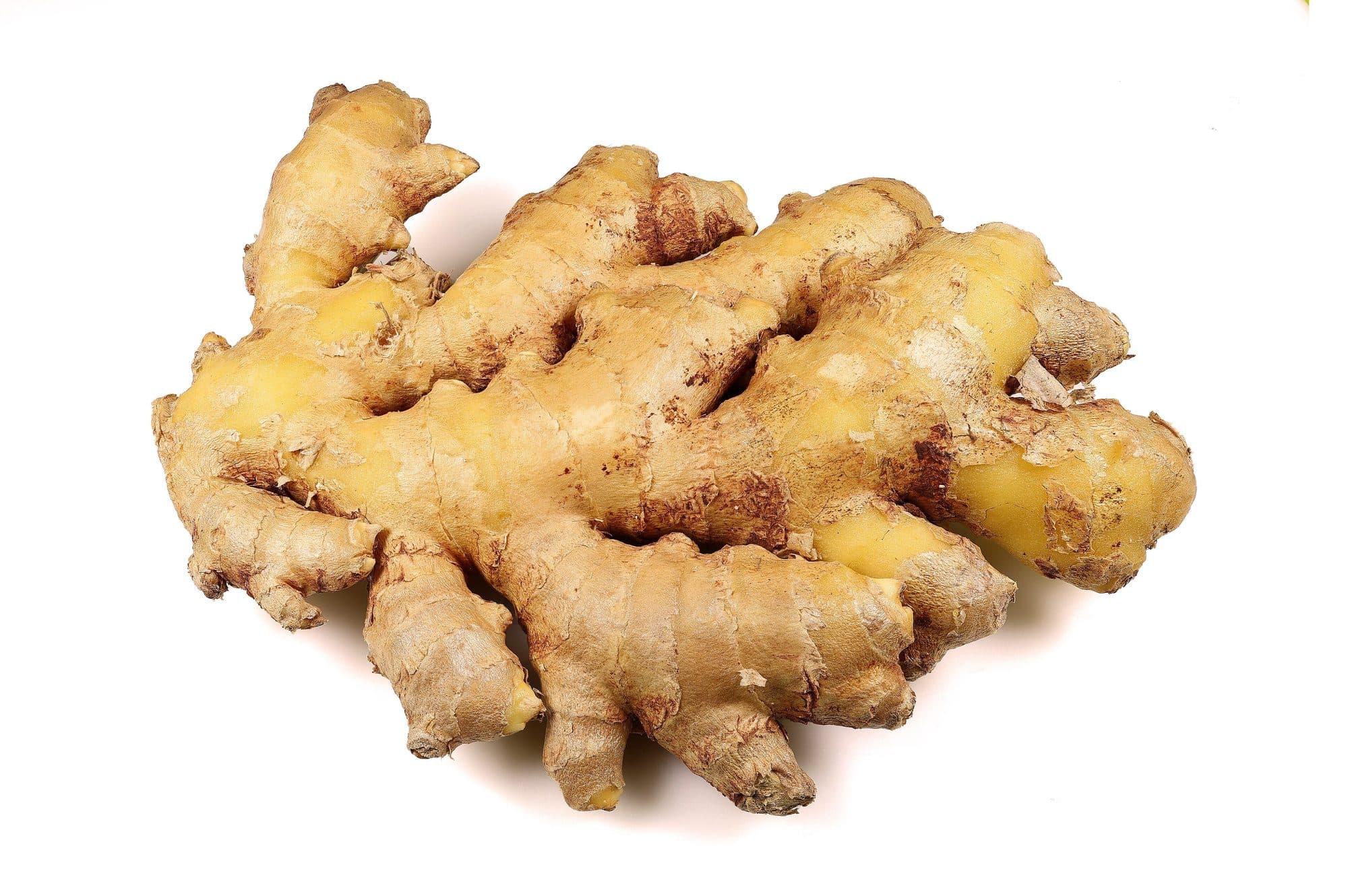 Rhizome
शुण्ठीŚuṇṭhīZingiber officinale
Called viśvabheṣaja in the classics. Used fresh in cooking and dried in warming blends.
NimbaAzadirachta indica
The village tree whose twigs were the original toothbrush and whose leaves scent bathwater.
ŚatāvarīAsparagus racemosus
“She who has a hundred roots” — a cooling rasāyana traditionally taken as a powder in milk.
GuḍūcīTinospora cordifolia
A heart-leaved climber also called amṛtā, “the undying”, for its habit of regrowing.
BhṛṅgarājaEclipta prostrata
“King of the bees” — the classic herb of Indian hair oils, slow-cooked into sesame.
YaṣṭimadhuGlycyrrhiza glabra
“Honey stick” — a naturally sweet root chewed, steeped and used in face packs.
MaṇḍūkaparṇīCentella asiatica
Named for its round, frog-like leaves and eaten as a fresh green across South Asia.
ŚaṅkhapuṣpīConvolvulus prostratus
A small herb whose white flowers are shaped like the conch shell, śaṅkha.
ArjunaTerminalia arjuna
A riverside tree named for the hero of the Mahābhārata, its bark simmered in milk.
KumārīAloe barbadensis
Its cool, clear gel has long been used straight from the leaf in simple skin rituals.
 Fruit
FruitआमलकीĀmalakīPhyllanthus emblica
The sour green fruit at the heart of chyawanprash, and one of the three fruits of triphalā.
HarītakīTerminalia chebula
Revered in the classics and the second of triphalā's three fruits.
BibhītakīTerminalia bellirica
The third fruit of triphalā, the best-known blend in Ayurveda.
GokṣuraTribulus terrestris
A spiny fruit named “cow's hoof”, found in many classical formulations.
VṛkṣāmlaGarcinia indica
A Konkan fruit soured into summer drinks; its seed gives a firm, pale butter.
PippalīPiper longum
India's original pepper, one of the three pungents of trikaṭu.
MaricaPiper nigrum
The Malabar spice that drew traders across oceans, and a partner to turmeric.
JīrakaCuminum cyminum
Tempered in ghee to begin countless Indian dishes; also steeped as jeera water.
DhānyakaCoriandrum sativum
Gentle and citrusy — the seed is ground into masalas, the leaf scattered fresh.
MiśreyāFoeniculum vulgare
The sweet seed offered after meals in Indian homes and restaurants.
YavānīTrachyspermum ammi
A small, thyme-scented seed added to parathas, pakoras and old family recipes.
ElāElettaria cardamomum
The “queen of spices” from the Western Ghats, crushed into chai and sweets.
TvakCinnamomum verum
Sweet, warm bark curled into quills, simmered in teas and rice.
LavaṅgaSyzygium aromaticum
A dried flower bud with an intense aroma, used in garam masala and tooth powders.
MethikāTrigonella foenum-graecum
Bitter golden seeds and fragrant leaves — kasuri methi — and a classic hair-pack ingredient.
HiṅguFerula assa-foetida
A pinch of this pungent resin, bloomed in hot oil, gives dal its savoury depth.
KuṅkumaCrocus sativus
Hand-picked threads from Kashmir, the namesake of kumkumādi beauty oils.
CandanaSantalum album
Ground on a stone with water into a cool paste for the forehead and face.
UśīraChrysopogon zizanioides
Its roots were woven into khus screens and wetted to scent and cool summer rooms.
ŚatapatrīRosa damascena
Distilled into rose water and slow-cooked with sugar into gulkand.
JapāHibiscus rosa-sinensis
Offered at temples, and crushed into traditional hair oils and rinses.
KamalaNelumbo nucifera
The flower of Indian art and prayer; its seeds are roasted as makhana.
NāgakesaraMesua ferrea
Fragrant golden stamens from a sacred hardwood tree, used in classical blends.
KarpūraCinnamomum camphora
Burned in the evening āratī; its cool aroma is part of every Indian puja.
Tila tailaSesamum indicum
The classic base of Ayurvedic oils — taila itself comes from tila — and of abhyaṅga.
NārikelaCocos nucifera
Kerala's everyday oil, combed through hair and used as a light cooling base.
GhṛtaClarified butter
Slow-clarified butter — lit in lamps, offered in ritual and cooked with herbs.
VātādaPrunus dulcis
A soft, light oil — the badam rogan of Indian massage and baby care.
EraṇḍaRicinus communis
A thick, glossy oil used for generations on hair, brows and lashes.
SarṣapaBrassica juncea
The pungent oil of North Indian kitchens and winter massage.
MadhūcchiṣṭaCera alba
Melted into oils to make the firm balms and salves of classical preparation.
परम्पराParamparā, meaning an unbroken lineage
Tradition, meet today
Ayurveda was written for a different pace of life. We keep what matters — the herbs, the preparations, the rituals — and rethink everything around it: format, taste, texture and clarity.
Capsules where powders are impractical. Lighter oils that wash out easily. Blends you actually enjoy drinking. And every ingredient listed, in plain language.
The information on this page is for general interest and is not medical advice. Please consult a qualified practitioner for personal health guidance.